If you’ve ever stood in front of the iconic sandstone monolith known as Uluru (or Ayers Rock) at sunrise, bathed in the deep orange glow of the Outback, you know it stirs something deep in the soul. It’s awe-inspiring, sacred, and—perhaps most intriguing of all—shrouded in myth. One of the most persistent questions I hear as a travel expert guiding curious adventurers through Australia’s Red Centre is: Is Ayers Rock a meteorite?
Spoiler alert: No, Uluru is not a meteorite. But the story behind its formation is every bit as extraordinary.
In this guide, we’ll unpack the myths, explore the fascinating geology, and provide practical tips for planning your visit to Uluru, Australia’s most famous natural landmark.

Contents
Where the Myth Comes From
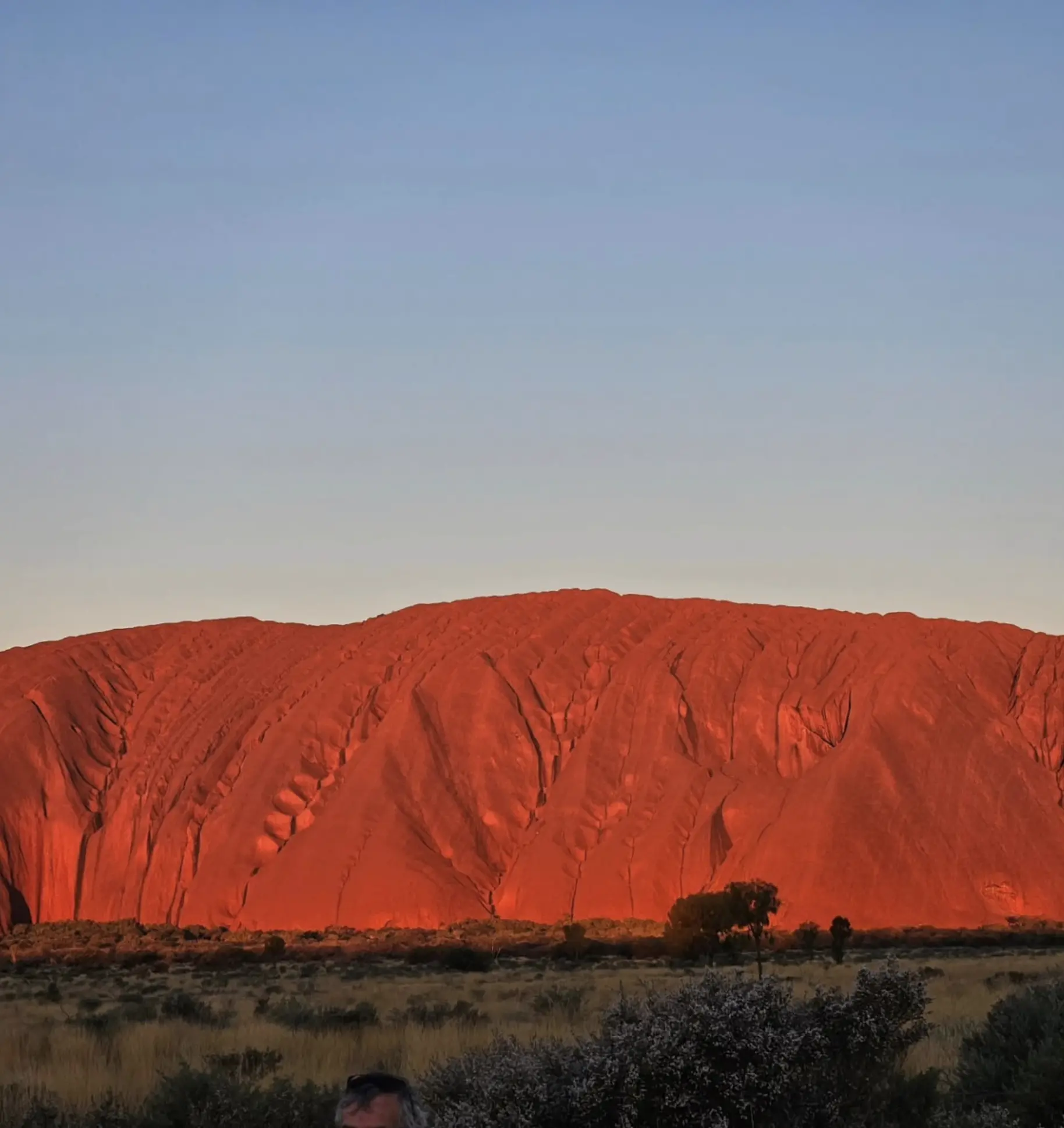
The idea that Uluru might be a meteorite isn’t totally off the mark—after all, it does look like something dropped from the heavens. Isolated, massive, and otherworldly, Uluru stands 348 metres tall and extends 2.5 kilometres underground, dominating the otherwise flat desert landscape.
For centuries, it has sparked the imagination of both travellers and locals. Some early explorers thought it could be a chunk of metal from space. Others were inspired by its lone, commanding presence to assume it had celestial origins. Even today, visitors often ask if it’s the remnant of a meteor impact.
So, where does the truth lie?
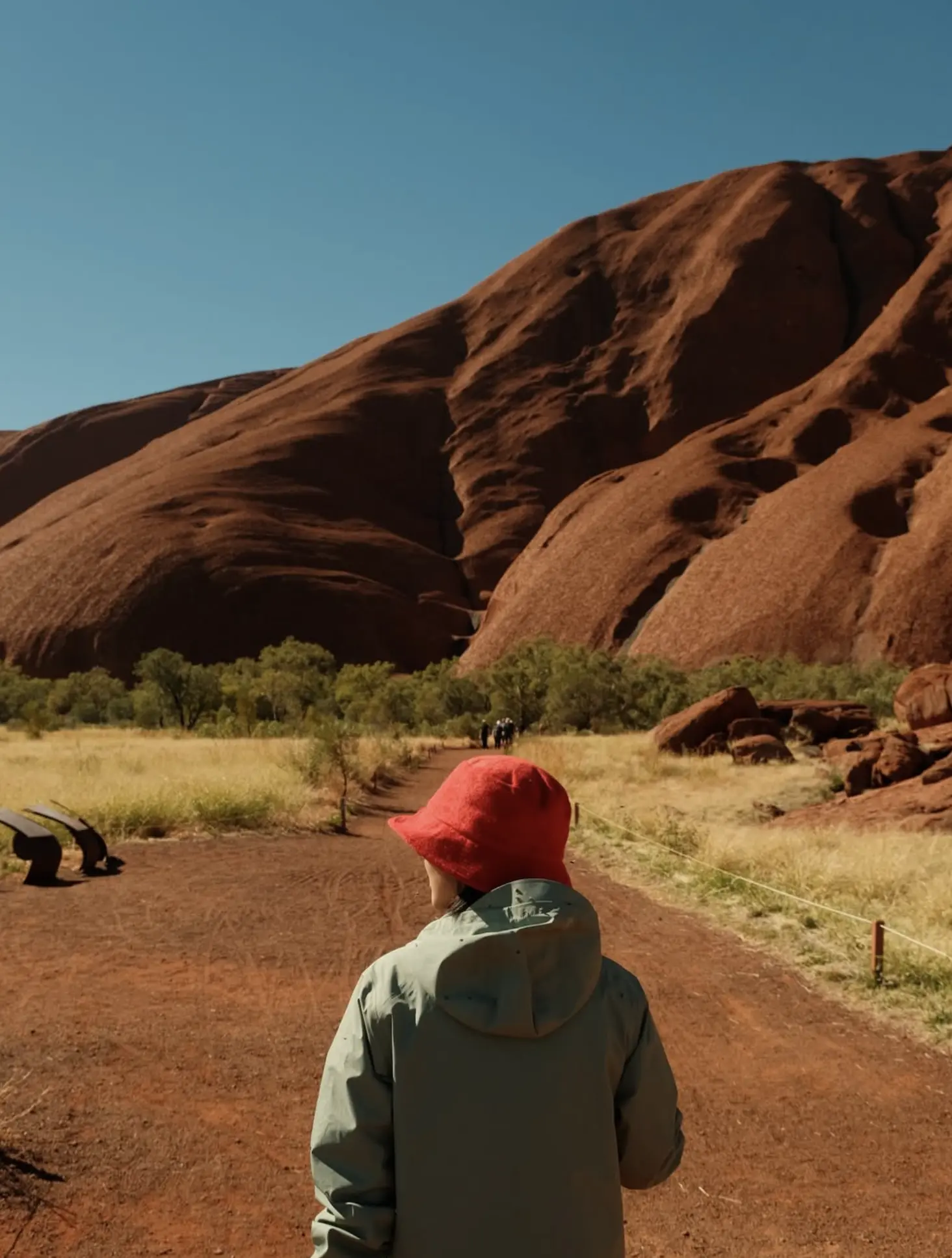
Real Origin Story: Geology Over Galaxies
Uluru is not extraterrestrial—it’s 100% Earth-born. It began forming around 550 million years ago, during a time when this region was submerged beneath an ancient sea. It was originally sand, deposited layer upon layer, then compressed over millennia.
Here’s a quick breakdown of how Uluru came to be:
- Sediment Deposits: Layers of sand and other sediments were deposited in the Amadeus Basin after the erosion of ancient mountain ranges.
- Compression: These sediments were compressed over time into arkosic sandstones, a type of coarse sandstone rich in feldspar.
- Tectonic Activity: Around 400–300 million years ago, tectonic shifts caused a mountain-building episode that tilted the rock layers nearly vertically.
- Erosion: Over millions of years, the softer surrounding material eroded away, leaving the hard arkose rock exposed—what we now see as Uluru.
What makes Uluru even more unique is the homogeneity of its rock type—unlike many mountains and rock formations, it doesn’t contain layers or a mix of rock types. It’s mostly composed of a single type of sandstone, making it geologically striking.
Not a Meteorite, But There Is a Crater Nearby
While Uluru itself isn’t a meteorite, the Outback is home to one of Australia’s best-preserved meteorite impact craters: Gosses Bluff (Tnorala).
Located about 175 km west of Alice Springs, Gosses Bluff was created around 142 million years ago by the impact of a comet or asteroid. The crater spans 22 km in diameter and rises 180 metres high. It’s a sacred site for the Western Arrernte people and worth visiting if you’re curious about space rocks.
Another notable impact site is the Henbury Meteorites Conservation Reserve, located about 130 km south of Alice Springs. It consists of 12 craters formed around 4,700 years ago and is one of the few meteorite sites with visible fragments still around. Many travellers incorporate a stop here on tours from Alice Springs to Uluru.
Cultural Significance
To the Aboriginal people, specifically the Anangu, the traditional owners of this land, Uluru is not just a rock—it’s a sacred site deeply woven into Tjukurpa, the foundation of their culture, law, and spiritual beliefs.
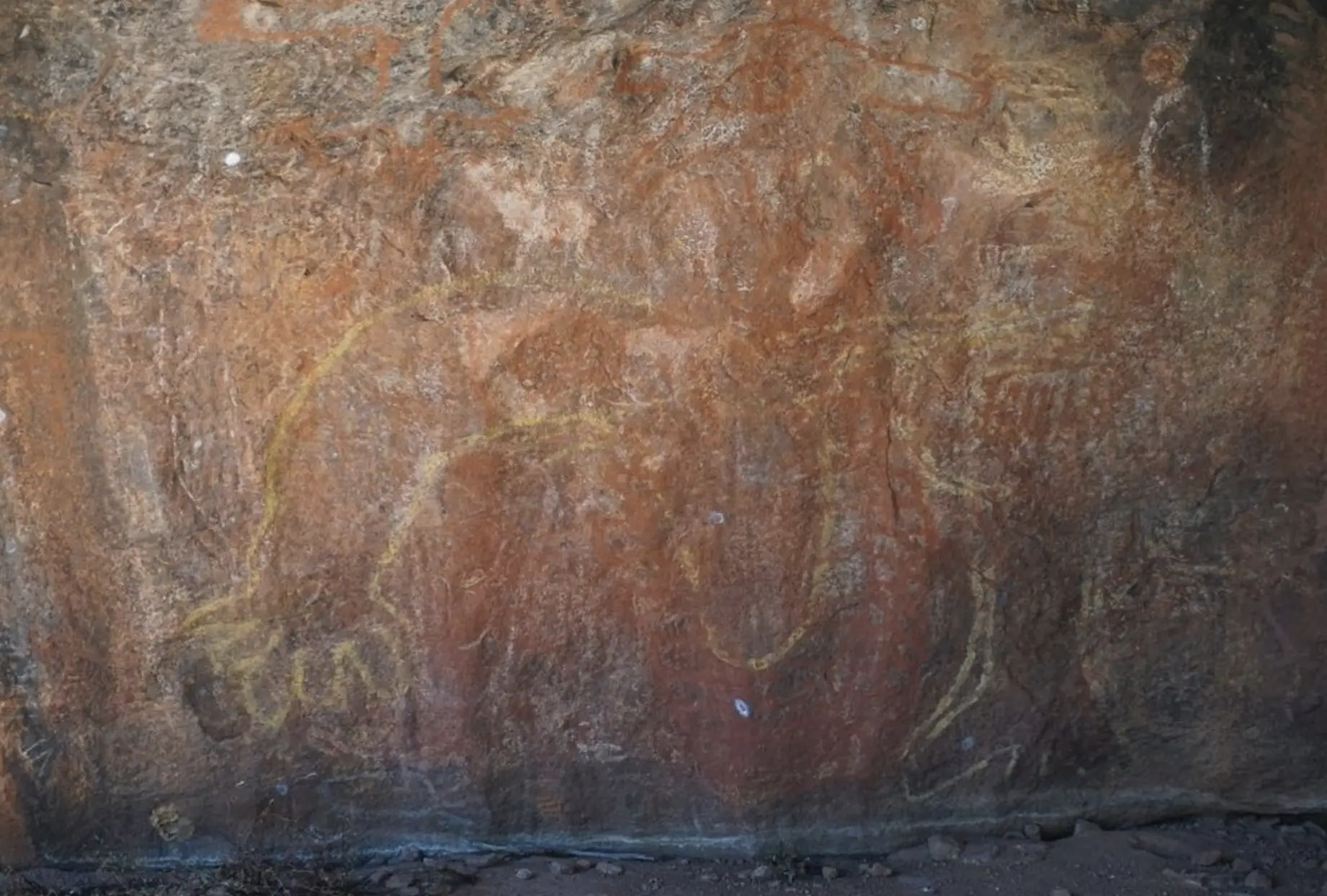
According to Tjukurpa, Uluru was formed by ancestral spirits during the Dreamtime, a creation period when the world took shape. These stories are etched into the rock’s caves, fissures, and ancient paintings, which hold deep cultural values.
Visitors can observe forms of people and animals carved into the landscape through these Dreamtime stories. These tales are more than mythology—they are the spiritual and practical law of the land.
As guests on traditional landowners’ country, it’s crucial to respect this significance. Climbing the rock was officially banned in 2019, following decades of requests by the Anangu. Instead, you can walk around the base, take part in guided tours, and visit the Cultural Centre to learn more about the traditions, laws, and stories of the land.
Planning Your Visit
If you’re planning a trip to Uluru and want to do more than just snap a photo, here’s what I recommend based on 20+ years exploring this region:
1. Getting There
- By Air: Fly into Ayers Rock Airport (Connellan Airport), with regular flights from Sydney, Melbourne, and Alice Springs.
- By Road: If you’re up for an adventure, the drive from Alice Springs takes around 5–6 hours. Many companies offer Alice Springs to Uluru tours, making it easy for travellers without a car.
2. Where to Stay
- Yulara (Ayers Rock Resort): Offers a range of accommodation from luxury stays at Sails in the Desert to budget options like the Outback Pioneer Lodge. This resort acts as the main tourist facility in the region.
3. When to Go
- Best Time for Uluru tours: May to September for cooler temperatures and clearer skies.
- Summer Warning: Temps can hit 45°C+ from December to February. If you go, then plan early morning activities. The hot desert climate can be extreme and dehydrating.
4. Top Experiences
- Uluru Base Walk: A 10.6 km loop that lets you experience the rock’s textures, colours, and stories up close. Be cautious of mud after rain—the track can get slippery.
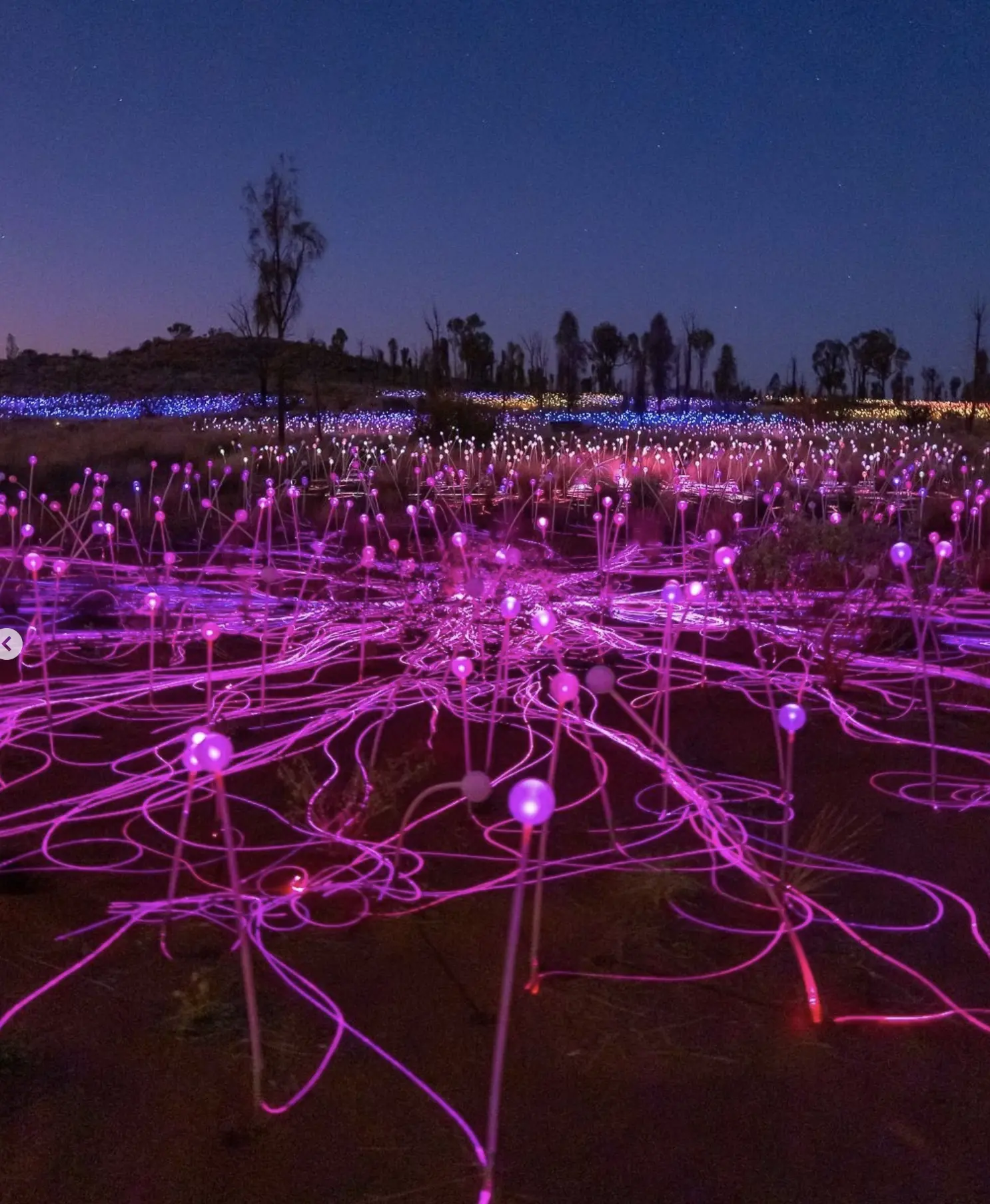
- Field of Light: Bruce Munro’s solar-powered art installation is a magical evening experience.
- Kata Tjuta: Often overshadowed by Uluru, these domed rock formations are 50 km away and just as awe-inspiring.
- Uluru tour at sunrise or sunset: These guided experiences reveal how light transforms the rock—and how stories shift with perspective.
5. Respectful Travel Tips
- Don’t Climb Uluru: It’s culturally disrespectful and now prohibited.
- Follow the Signs: Certain areas are off-limits for photography to protect sacred sites.
- Support Local: Buy art and souvenirs from Anangu-run businesses when possible.
- Minimise Environmental Impacts: Stay on designated trails and avoid introducing exotic plant species that can harm endemic plants and native wildlife such as the desert skink.
Final Word
Uluru isn’t a space rock, but it’s no less cosmic. Formed over hundreds of millions of years, shaped by ancient seas, tectonic forces, and weathering, and imbued with cultural stories that go back tens of thousands of years—it’s a marvel that transcends simple geological classification.
The meteorite myth may add a splash of drama, but the truth is just as fascinating—and more respectful to the people who’ve called this land home since time immemorial. The transition from the expeditionary period to today’s mindful tourism model has helped better protect the sacredness of Uluru and surrounding Aboriginal reserves.
Whether you’re joining a guided tour to Uluru or embarking on your own adventure, take time to learn, connect, and tread lightly. There are many Uluru tours available that focus on culture, sustainability, and authentic local experiences.
FAQ
Is Ayers Rock really a meteorite?
No, Uluru is not a meteorite. It’s a sandstone formation created by geological processes on Earth over 550 million years ago.
Why do people think Uluru is a meteorite?
Its isolated location, massive size, and unique appearance have led some to speculate about an extraterrestrial origin.
Can you visit real meteorite craters near Uluru?
Yes. Gosses Bluff and Henbury Craters are notable nearby meteorite impact sites worth visiting if you’re interested in space geology.
What type of rock is Uluru made from?
Uluru is composed primarily of arkosic sandstone, a coarse-grained sedimentary rock rich in feldspar.
Is it disrespectful to climb Uluru?
Yes. Climbing Uluru is culturally inappropriate and has been banned since 2019 out of respect for the Anangu people’s wishes.