So you’ve just had your lips tattooed (or are about to) and you’re wondering: how long after a lip tattoo can you eat? It’s a super common question and honestly a really important one. Because what you do in those first few hours can affect healing, pigment retention and whether you end up with crisp colour or patchy results.
As a cosmetic tattoo artist in Melbourne who’s done thousands of lip blushes and permanent make-up treatments, I’ve seen what works, what doesn’t and what clients wish they knew sooner. Lip blushing in Melbourne has absolutely taken off in recent years — but it’s the aftercare, not the hype, that makes or breaks your result. So here’s the real deal on eating after lip blush — no fluff, just pro insight.
Contents
Right After a Lip Tattoo: What to Expect?
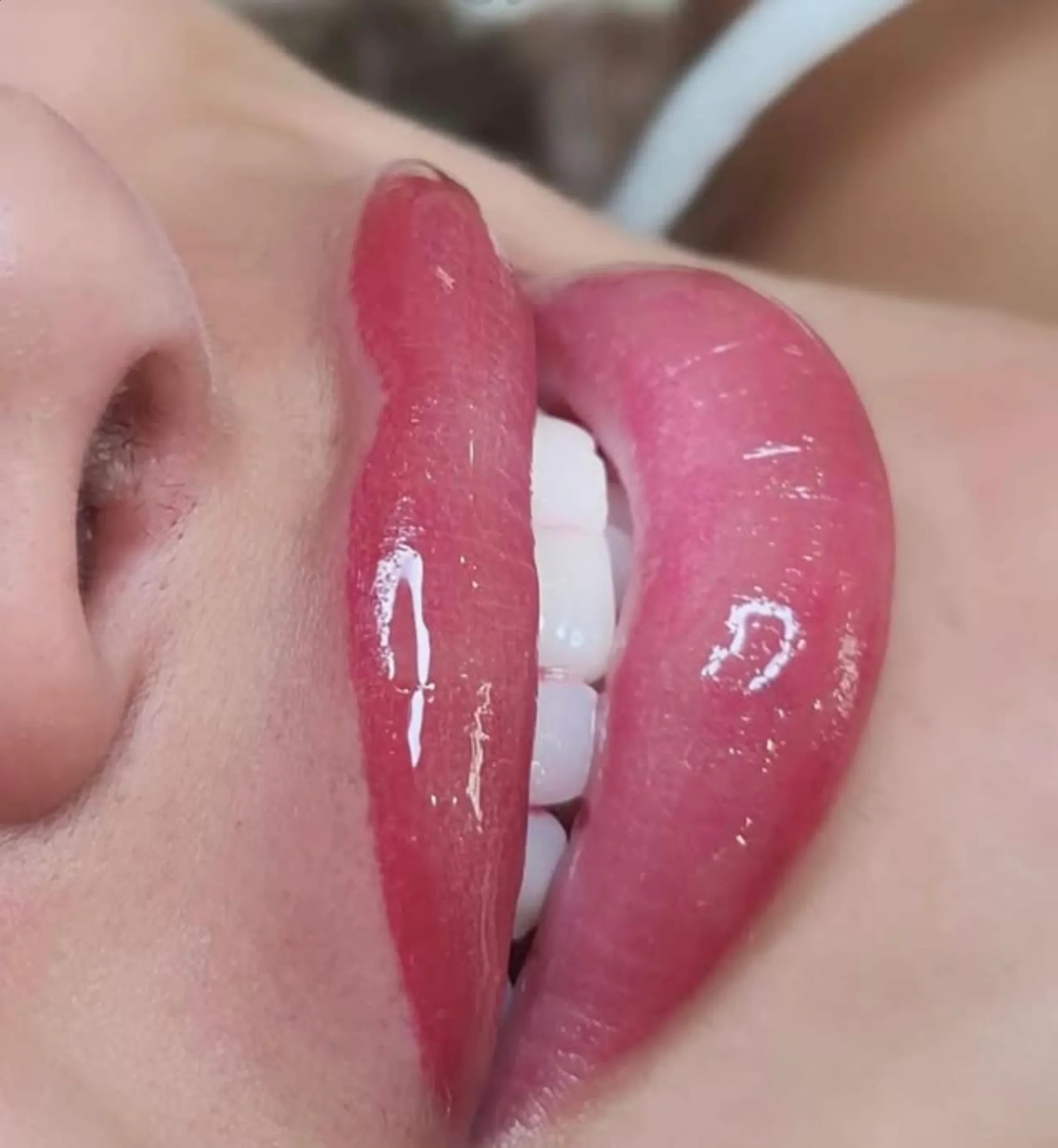
You’ll be swollen, tender and super sensitive. Your lips will be freshly wounded skin after a cosmetic lip tattoo — whether it’s full Lip Blush, a lip liner tattoo or lip neutralization. That means they’re open, inflamed and at risk of infection. Especially if you’re prone to cold sores or fever blisters triggered by trauma to the lip tissue.
Right after your appointment, your tattoo artist will apply a barrier balm and give you strict pre- & post-care instructions. You may also be advised to take antiviral medication if you carry the Herpes Virus. The skin needs to start forming a seal (like a scab) to protect the pigment underneath. That seal can be disrupted by food, drinks or licking your lips.
Immediate healing risks if you eat too soon:
- Pigment loss from friction or moisture
- Infection from bacteria in food or cutlery
- Swelling and irritation that worsens with heat or spices
- Disturbed shape or line if the tattooed area is disrupted
The first 4-6 hours post-procedure are critical — that’s when you want to avoid everything that touches the lips. Yes, even water.
When Can I Eat Again?
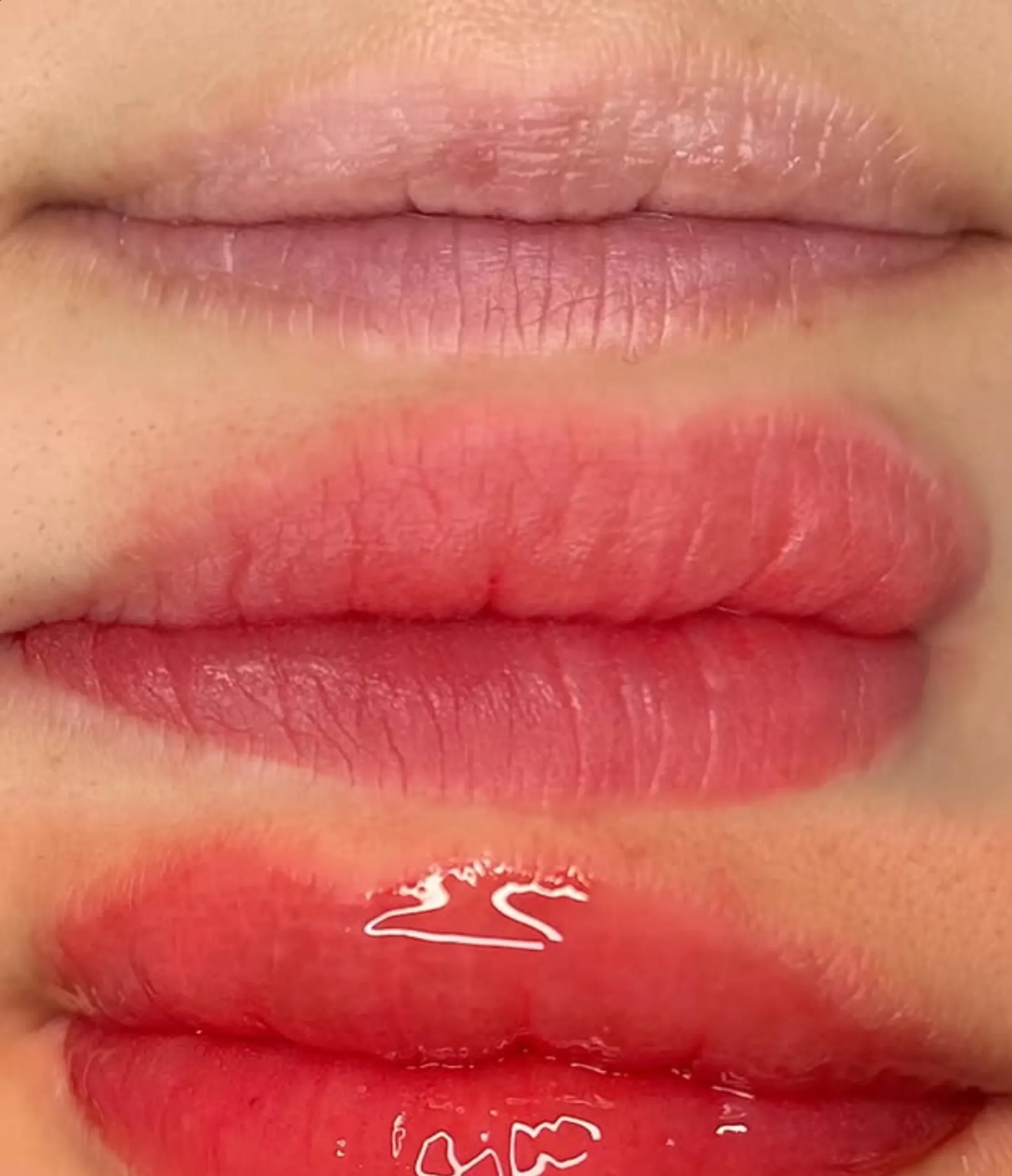
Wait at least 4 hours before eating soft, cool food. Ideally, give yourself 4-6 hours with no eating, drinking (except with a straw), or licking your lips. After that, you can introduce gentle, non-irritating foods that won’t stretch or rub your lips too much.
Lip neutralisation clients may feel more sensitivity during this stage, especially if we’re correcting darker or uneven tones in the lip tissue. Be gentle.
Good rule of thumb:
- 0–4 hours: Nothing on the lips
- 4–24 hours: Cold, soft food with a spoon (no cutlery that touches lips)
- Days 2–7: No spicy food, salty food, citrusy or crumbly food
Best food to eat during early healing:
| Safe Foods | Avoid These |
|---|---|
| Smoothies (with a straw) | Spicy noodles |
| Cold Greek yoghurt | Salty chips and crackers |
| Mashed potatoes (cool) | Pineapple, lemon, and oranges |
| Cold soup or broth | Hot drinks (coffee, tea) |
| Quinoa salad, soft veg | Crusty bread or toast |
If in doubt, think baby food. Cool, bland, soft — and eaten with a spoon.
Tips for Eating Safely in the First 48 Hours
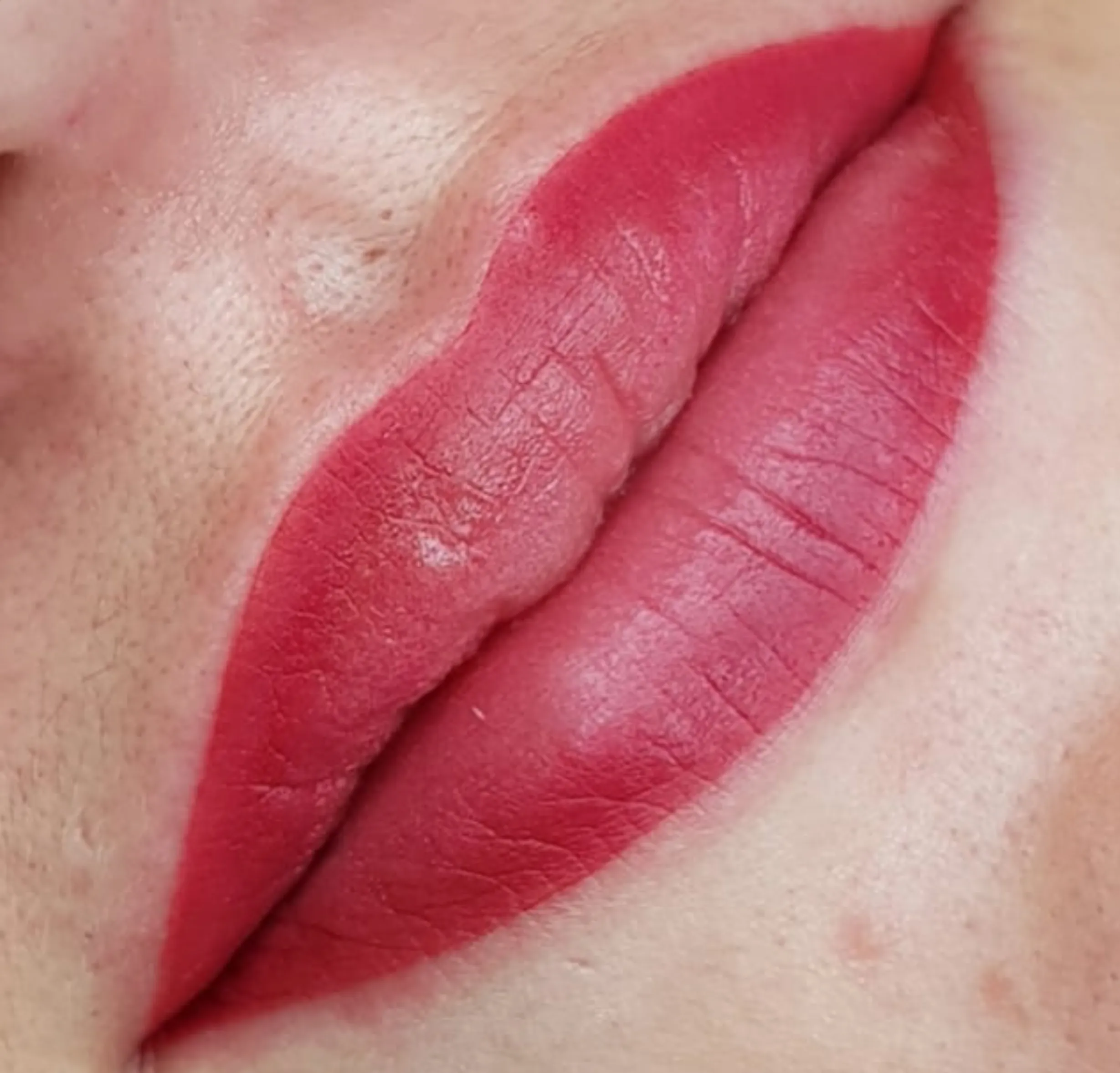
- Use a straw for all liquids (including water)
- Eat with a teaspoon, not a fork
- Wipe your mouth gently with a clean, damp cotton pad — not a serviette
- Apply lip balm or aftercare balm before and after eating to maintain your barrier
- Avoid licking or smacking your lips — this slows healing
- Don’t test your lip colour with food stains — wait until healing is complete
- Avoid oily foods that can break down the balm layer
This is especially important if you’ve opted for a lip liner tattoo that defines the outer lip line — those crisp edges are more prone to disruption if you’re not careful during meals.
If you’re worried about staying hydrated, try sipping cold coconut water or electrolyte drinks through a straw.
Normal Eating: How Long After?
Most people can return to regular meals within a week. By day 7, the scabs (or light flakes) have usually fallen off, and the skin is sealed over. That means you can start reintroducing your normal diet — just go slow with spicy or hot meals if you still feel tender.
We often remind clients getting lip blush in Melbourne that the climate (hello, dry winter wind) can slow healing slightly, so keep using protective balm and avoid excessive sun exposure.
Remember, just because your lips look healed doesn’t mean the pigment has fully settled. The full pigment retention process takes about 4–8 weeks.
So while you can eat normally after about a week, keep nourishing your lips:
- Continue using your lip balm with SPF
- Avoid biting or pulling dry skin
- Protect your lips from wind and sun exposure
- Be mindful of chemical peels or exfoliating products near the mouth
Foods That Affect Pigment Retention
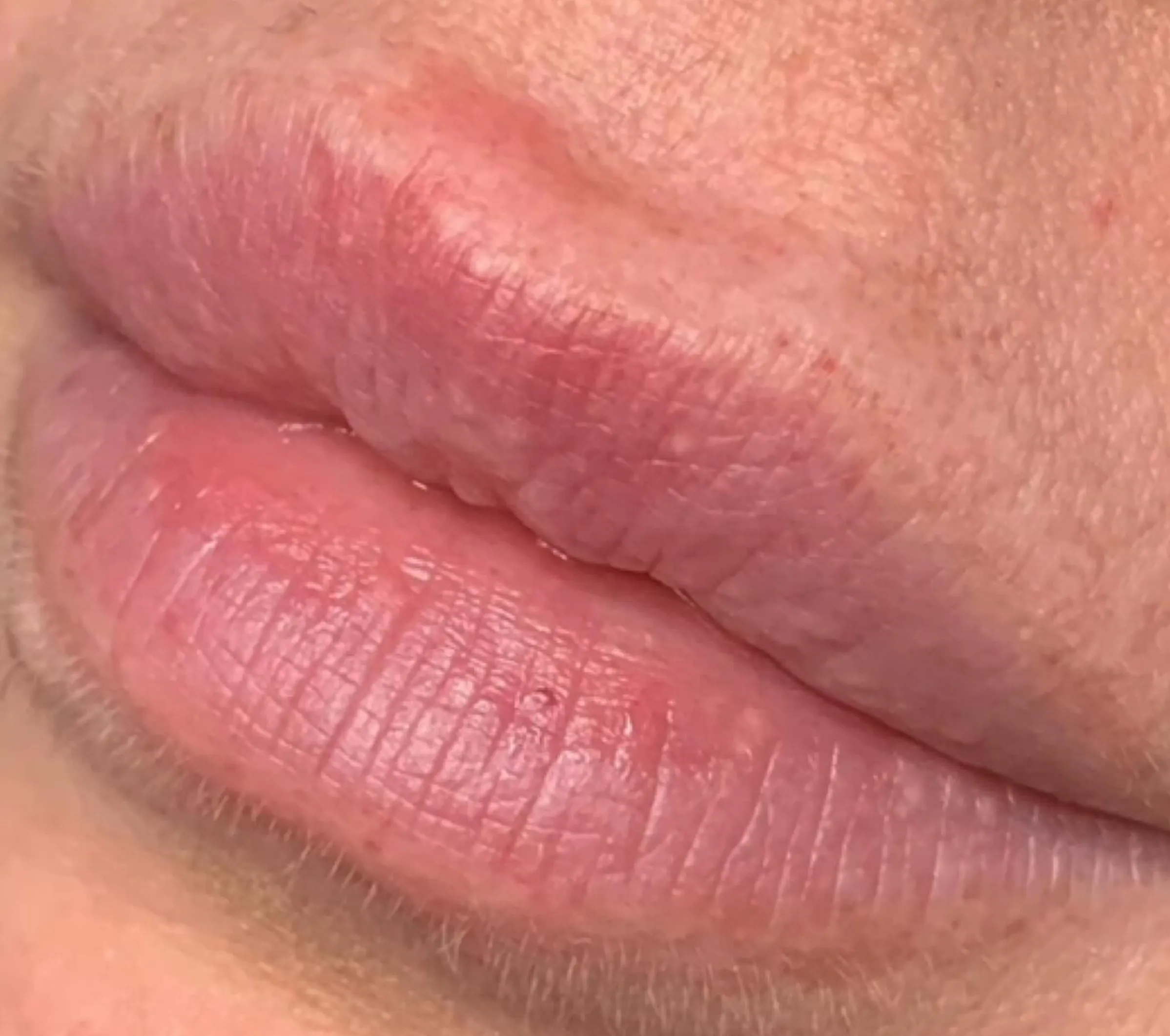
Don’t let one hot curry undo your artist’s work. Pigment retention is a big part of why we ask clients to be careful with what they eat. Acidic, spicy and salty foods can interfere with healing and cause patchy results. Crumbly or crunchy foods can physically flake off the pigment.
Some clients think it’s no big deal to have a cheeky wine or ramen night two days in. But that small choice can mean a bigger colour boost or more frequent top-ups later (which often comes at an extra cost).
Whether you’ve had full lip blushing in Melbourne or a simple touch-up on an old cosmetic lip tattoo, the healing stages are where all the pigment magic (or mess) happens.
Avoid these food-related pigment disruptors:
- Red wine (acidic, staining, drying)
- Vinegar-based dressings
- Curry or chilli oil
- Overly salty snacks
- Crunchy bread, pizza crust
Lip Healing Timeline: Day by Day
| Day | What’s Happening | What to Eat |
|---|---|---|
| 1 | Swelling, tenderness, fresh wound | Cold soup, yoghurt, smoothies (straw) |
| 2 | Tightness, darker colour, scabbing | Mashed veggies, soft-boiled eggs |
| 3–4 | Flaking begins, dryness | Continue soft, bland foods |
| 5–6 | Scabs falling off, patchy pigment | Start testing warmer, softer meals |
| 7+ | Skin sealed, colour still settling | Slowly resume normal meals |
Final Thoughts and Pro Tips
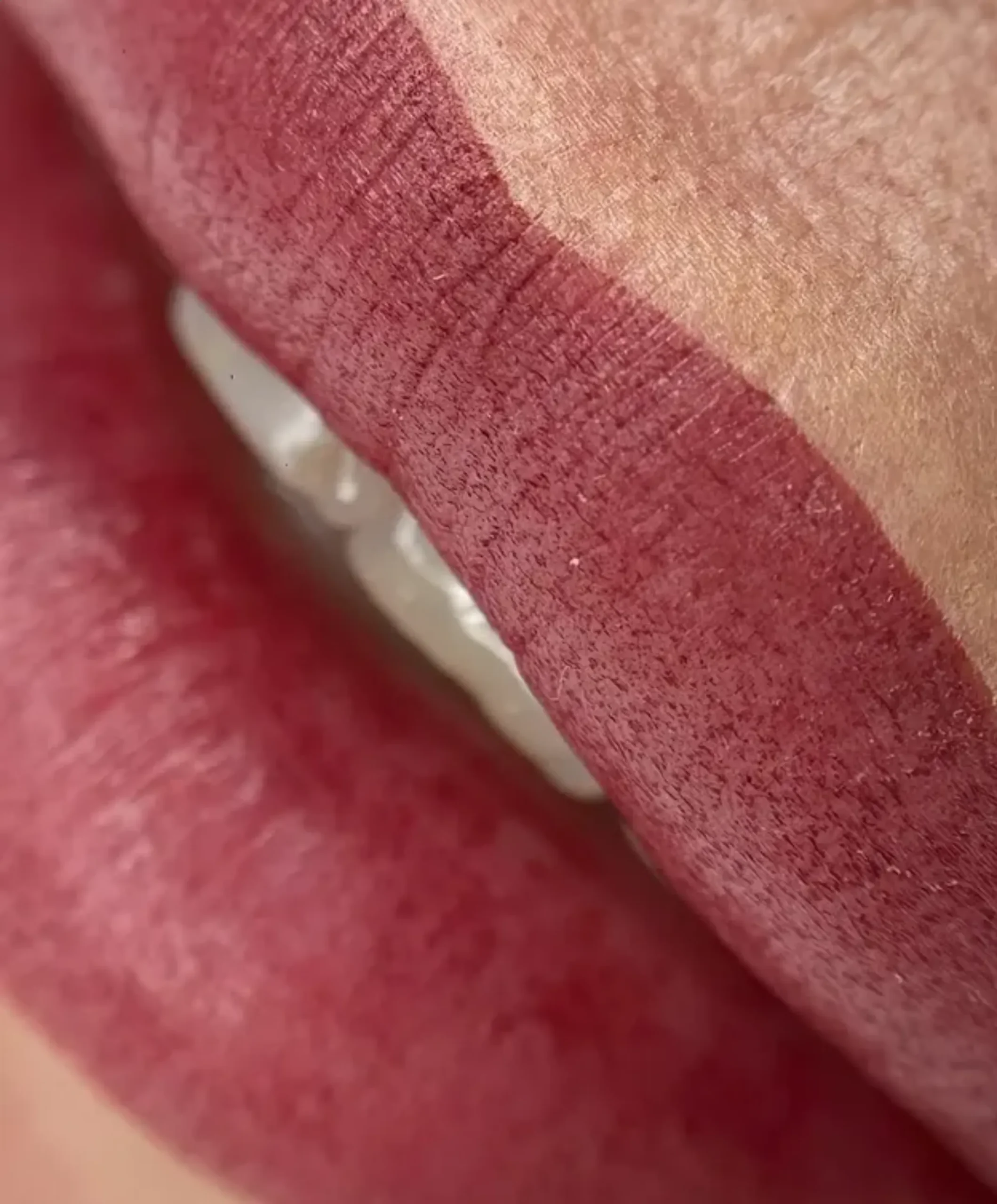
A little patience = better results, less fading. Yes, it’s annoying to miss out on your avocado toast and morning brew for a few days. But the long-term payoff is worth it. Clients who stick to clean, cautious eating in the first week have less pigment dropout and require fewer touch-ups.
Remember to:
- Follow all Pre & Post Care instructions
- Take antihistamine tablets if swelling persists
- Check with your local GP about blood thinning medication or vitamins (like fish oil tablets or Vitamin A)
- Avoid sun tanning, harsh lip exfoliators or lip gloss during healing stages
- Understand that your Fitzpatrick Scale and body chemistry may impact colour retention
If you have a big event, date night or birthday dinner planned, do it before your tattoo appointment — or wait until week two when your lips are more stable.
FAQs
Can I drink coffee after lip tattooing?
Wait at least 24 hours, as coffee is hot, acidic and can stain. If you must have it, sip through a straw once it’s lukewarm.
What if I’m really hungry after my appointment?
Pack a smoothie or cold yoghurt to have 4–6 hours later. And don’t forget your spoon! This is your chance to indulge in post-lip blush feasting (wisely).
How soon can I kiss someone?
Ideally, wait until scabs are gone — usually day 5–7. Kissing too soon can spread bacteria or damage healing skin, especially if you have a history of cold sores.
Can I wear lipstick to cover flaking?
Nope. No makeup or lip gloss on the lips until the skin is fully healed (about 7–10 days). Use tattoo balm or aftercare balm only.
Is it normal to lose colour after eating?
Some pigment fading is normal, but aggressive eating, oily foods, or not following aftercare can lead to more noticeable patchiness. Stick to hydrating foods and keep the lip vermilion moisturised.