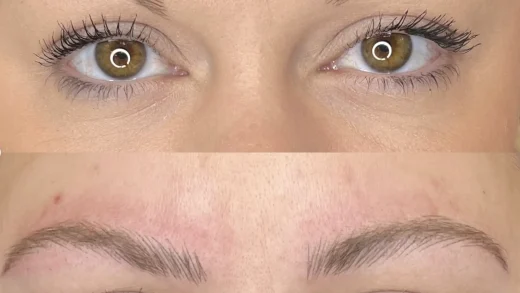
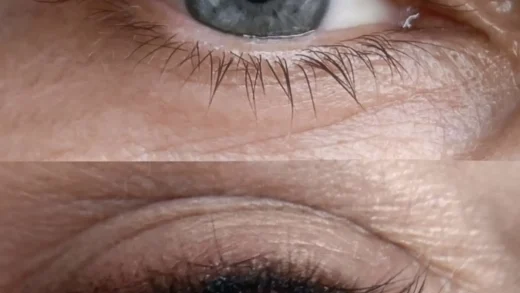
So you’ve been wondering how long it takes to learn the basics of cosmetic tattooing? You’re not alone. At our Brisbane studio, Cosmetic Tattoo Studio Brisbane Face Figurati, we meet new artists every month who are curious, excited and sometimes a bit nervous about getting into cosmetic tattooing. Learning this craft isn’t about rushing through a short course — it’s about building skill, confidence and safe habits that will last a lifetime. In this guide, we’ll walk you through what to expect, what timelines are realistic and how to choose cosmetic tattoo courses that actually set you up for success.
Contents
- 1 The First Big Question: How Fast Can You Learn?
- 2 What “Basics” Actually Means
- 3 Training Timelines: What to Expect
- 4 Why Rushing Hurts More Than Helps
- 5 Real Talk: Brisbane Training Context
- 6 The Learning Curve: What Students Say
- 7 Industry Standards and Regulations
- 8 Mentorship
- 9 The Numbers: Industry Growth
- 10 Building Confidence: From Latex to Live Models
- 11 Healing and Aftercare Knowledge
- 12 Common Myths About Learning Cosmetic Tattooing
- 13 Prep and Aftercare for Students
- 14 How to Choose the Right Training Provider
- 15 Final Thoughts: Patience Pays Off
- 16 FAQ
The First Big Question: How Fast Can You Learn?
The truth is, you can technically complete a cosmetic tattoo fundamentals course in 3–5 days — but don’t be fooled. While the certificate might land in your hands quickly, the real learning begins after. Just like driving, you don’t master the road in a single lesson. You need time, practice and guidance before you feel comfortable tattooing someone’s face.
Most cosmetic tattoo artists agree: it takes 3–6 months of consistent practice to become comfortable with the basics. This includes handling the machine, understanding pigments, practising on latex skins and gradually working with live models under supervision. And even then, mastery is a lifelong process.
What “Basics” Actually Means
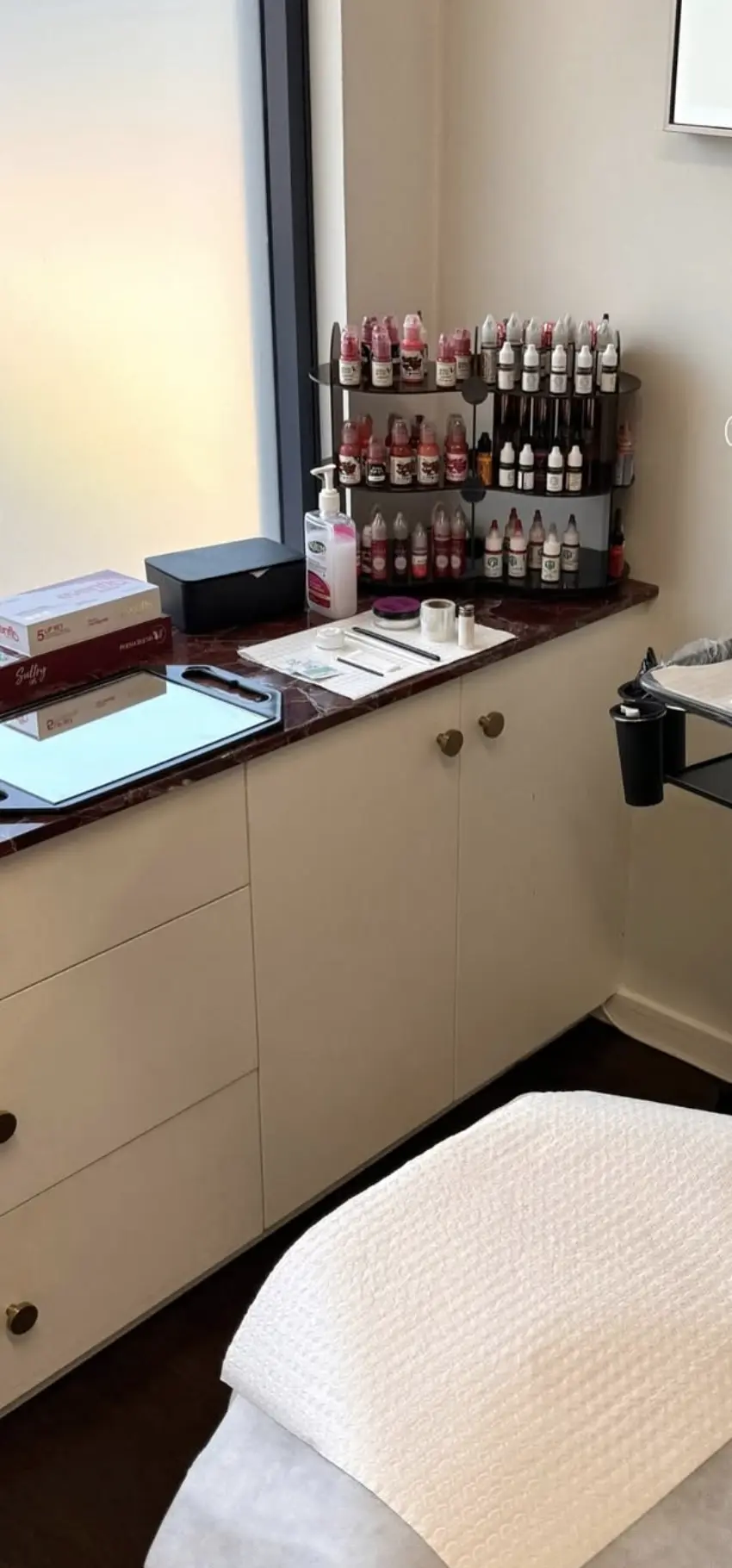
When training providers say you’ll “learn the basics,” here’s what they usually cover:
- Skin anatomy — knowing layers, undertones and how skin heals.
- Pigment theory — selecting and mixing shades for brows, lips and eyeliner.
- Machine handling — using different needles and speeds without causing trauma.
- Hygiene protocols — preventing infection and ensuring client safety.
- Mapping and design — shaping brows, lips and natural lash lines to suit bone structure.
- First strokes on models — applying your early practice to real clients under guidance.
These basics give you a foundation — but they’re not enough on their own to guarantee consistent, studio-ready results.
Training Timelines: What to Expect
So, how long until you feel steady with a machine in hand? Here’s a realistic training timetable most beginners experience:
| Stage | Timeline | What Happens |
| Introductory Course | 3–5 days | Classroom theory, latex practice, observing demos |
| First Month | 4 weeks | Daily hands-on practice on fake skins, beginning case studies |
| 2–3 Months | 8–12 weeks | Working on models, supervised sessions, and correction practice |
| 4–6 Months | 16–24 weeks | Growing speed and confidence, small client base |
| Ongoing | Lifetime | Continuous upskilling, colour correction, and advanced specialisation options |
By 6 months, many students are confident enough to take on paying clients — but only if they’ve practised consistently and had solid feedback from their mentors.
Why Rushing Hurts More Than Helps
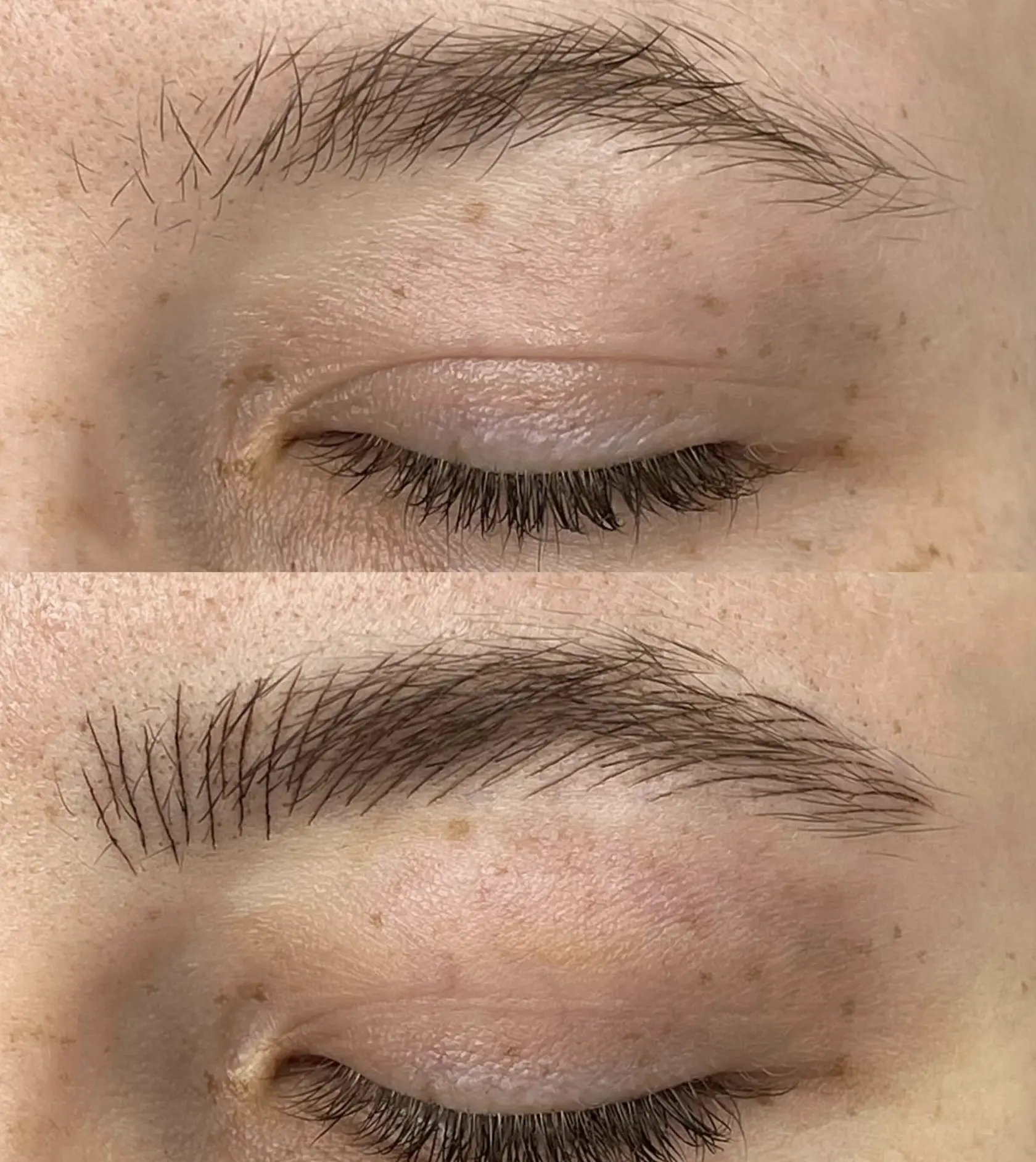
We’ve seen it many times: someone completes a fast-track course, buys a cheap machine and starts tattooing friends straight away. The results? Patchy Cosmetic Tattoo Eyebrows, uneven Cosmetic Tattoo Lip results and clients who end up in corrective appointments later. Cosmetic tattooing is a regulated industry for a reason — mistakes aren’t just embarrassing, they can be scarring (literally).
If you want clients to trust you, you need more than a certificate. You need repetition, patience and the willingness to make mistakes on practice skins long before you touch a real face.
Real Talk: Brisbane Training Context
In Brisbane, humidity, sun exposure and skin tones are unique factors every artist must consider. For example, pigments can fade faster in Queensland’s climate compared to cooler regions. During training, you’ll learn how to choose colours that last and how lifestyle (surfing, outdoor jobs, tanning) affects healed results.
We’ve worked with a wide range of skin types — from very fair, freckled clients to deeper melanated tones. Each requires a slightly different pigment strategy and needle depth. That’s not something you’ll master in a week. It’s repetition, case studies and careful observation over months that build real confidence.
The Learning Curve: What Students Say
One of our recent students said: “I thought I’d be tattooing brows in a week, but after the course I realised I needed another 3 months just to stop shaking when I held the machine. Now, after 6 months, I feel ready to charge.” That honesty matters — because it proves that if you commit the time, you’ll get there.
Another student said, “My first cosmetic lip tattoo model looked too cool-toned once healed. Instead of feeling like a failure, I brought the case back into class, corrected it with guidance and gained confidence from the experience. That’s the beauty of having the right mentor — mistakes become lessons instead of disasters.
Industry Standards and Regulations
Queensland requires cosmetic tattooists to be trained in infection control and hygiene protocols. Non-negotiable. You’ll also need to understand council licensing if you plan to open your own studio. Rushing through training without these essentials will get you in trouble — not to mention put clients at risk.
Good training providers will teach:
- Certified pigment brands that meet Australian industry standards.
- Disposable needle cartridges and barrier films for every treatment.
- Cleaning between clients.
- Documentation of every procedure for client safety.
These aren’t extras — they’re the basics.
Mentorship
No matter how talented you are, you can’t learn cosmetic tattooing in isolation. Mentorship is everything. A good trainer won’t just show you how to hold a machine — they’ll watch you work, correct your hand pressure and guide you through mistakes.
We recommend choosing a course that includes ongoing support — not just a certificate at the end. Many Brisbane training providers now offer mentorship for 3–6 months after the initial course. That extra time is often the difference between a shaky beginner and a confident junior artist.
The Numbers: Industry Growth
According to 2025 Australian beauty industry data, cosmetic tattooing is growing at 15% per annum, and it’s one of the fastest-growing beauty services in the country. More clients are booking lip blush, eyeliner tattoo, microblading and brow enhancements as they look for long-lasting solutions to daily makeup. That means opportunity — but also higher expectations. Clients aren’t forgiving of poor work. The bar for quality is rising every year.
Building Confidence: From Latex to Live Models
Your first practice skins will look shaky — everyone’s do. That’s why consistency matters. Aim for 30–50 hours of latex skin practice before moving to models. By the time you work on a live face, your hand pressure will be steadier and your strokes more even.
Working with models isn’t just about the technical side. You’ll also learn:
- How to consult with clients.
- How to calm nervous first-timers.
- How to explain aftercare clearly.
- How to manage unexpected challenges (bleeding, pigment retention, client allergies).
These “soft skills” take as long to develop as the tattoo technique itself.
Healing and Aftercare Knowledge
Part of learning the basics is understanding what happens after the appointment. Every cosmetic tattoo goes through a healing cycle:
Days 1–3: Pigment looks bold and darker than expected.
Days 4–7: Flaking and scabbing begin, pigment lightens.
Week 2–3: Colour may look faded or patchy.
Week 4–6: True healed colour emerges.
If you don’t understand this cycle, you’ll panic when a client messages you about fading. Training should prepare you to explain the process clearly so clients don’t lose trust.
Common Myths About Learning Cosmetic Tattooing
- “You can learn it in a weekend.” Technically yes, but not properly.
- “Once you get a certificate, you’re job-ready.” Not without months of supervised practice.
- “It’s all about artistic talent.” Art helps, but hygiene, pigment knowledge and client management matter just as much.
- “Mistakes can be erased easily.” Not true — correction is possible, but often time-consuming and stressful for both client and artist.
Prep and Aftercare for Students
Learning the basics isn’t just about machine work — it’s about preparing your mindset and routine. Here’s a simple checklist for student success:
Prep Before Training:
- Research training providers and their reputation.
- Budget carefully with a financial assessment and look for courses that offer a payment plan.
- Buy quality latex skins and practice machines if recommended.
- Study colour theory basics online.
During Training:
- Take detailed notes and photos.
- Ask questions, even if they feel silly.
- Practise daily, even if only for 30 minutes.
After Training:
- Continue latex practice for several weeks.
- Shadow experienced beauty professionals, if possible.
- Build a small case study portfolio before taking paying clients.
How to Choose the Right Training Provider
- Accredited trainers with years of hands-on practice and real-world experience.
- Transparent reviews from past students.
- Small class sizes (so you get real attention).
- Ongoing support after the course.
- Brisbane-specific knowledge (skin tones, climate, regulations).
- Willingness to have a confidential discussion about your personal circumstances, goals and training needs.
At Face Figurati, we’ve seen how proper support makes all the difference. Our Cosmetic Tattoo Courses in Brisbane focus on safe practice, artistry and building confidence through guided mentorship.
Final Thoughts: Patience Pays Off
Learning the basics of cosmetic tattooing takes longer than most people expect — but that’s a good thing. It means the industry is serious about safety and quality. If you invest 6 months of real practice, mentorship and study, you’ll have the confidence to tattoo with pride. And from there, the sky’s the limit. Clients will trust you, your results will speak for themselves, and your career will grow steadily instead of shakily.
Still thinking about starting your journey? Send us a message at Cosmetic Tattoo Studio Brisbane Face Figurati — we’re always happy to have a confidential chat about training pathways, realistic timelines and how to make cosmetic tattooing a rewarding career in Brisbane.
FAQ
Can I really learn cosmetic tattooing online?
Online modules can help with theory, but practical skills need in-person supervision. No screen can replace a mentor correcting your hand pressure.
Do I need to be artistic to succeed?
Not necessarily. A steady hand, attention to detail and willingness to practice matter more than being naturally “arty”. Mapping and shaping can be learned.
How much should I budget for training?
Basic cosmetic tattoo courses in Brisbane range from $4,000 to $8,000. Add another $1,000–$2,000 for machines, pigments and practice supplies. Many training providers now offer payment plan options to make this more manageable.
How long before I can work on paying clients?
4–6 months if you practice consistently and have quality mentorship. Some students take longer depending on their personal circumstances, and that’s normal.
What if I make mistakes during training?
Mistakes are part of the process. With the right mentor, every slip becomes a lesson. That’s why ongoing feedback is crucial — so small errors don’t become bad habits.
SEO Title (≤40 characters): Learn Cosmetic Tattoo Basics Time
Meta Description (≤145 characters): Discover how long it takes to learn cosmetic tattooing basics, from training courses to hands-on practice and client safety in Brisbane.