How to set up CAPI for your Canberra e-commerce store – a system-level upgrade that leaves a lasting impact on your bottom line. At Karma Media, we’re constantly seeing the same problem come up again, every week – founders scratching their heads, wondering why their results aren’t as rock solid as their Ad budget is. And the answer is usually the same: attribution failure. When tracking goes haywire, your optimisation engine is left making decisions with a partial picture – resulting in a nasty cocktail of higher customer acquisition costs (CAC), unstable delivery, and a misaligned learning signal across ad platforms that just doesn’t pan out.
This same pattern shows up when we’re brought in as one of those trusted Google Ads Agency Canberra teams to help rebuild a client’s digital marketing foundation.
Contents
- 1 Why Accurate Tracking Matters
- 2 What Server-Side Tracking Actually Solves
- 3 The Framework Used In High-Spend Accounts
- 4 Implementation Options
- 5 How Improved Tracking Strengthens Funnel Performance
- 6 Table: Performance Shifts After Implementing Server-Side Data Flows
- 7 Frequent Errors We Find During Audits
- 8 Why Reliable Tracking Supports Long-Term Growth
- 9 Strategic Close
- 10 FAQ
- 10.1 Will setting up server-side tracking automatically increase my ROAS?
- 10.2 How long does the setup take?
- 10.3 Will this fix all the reporting discrepancies between platforms?
- 10.4 Can I scale up without sorting out my tracking first?
- 10.5 Do I still need to set this up if the Pixel is already installed?
Why Accurate Tracking Matters

Canberra is a digitally advanced market, with customers who are just as engaged online. (You can check out the ABS digital commerce participation data from 2024 to see what we mean.) But when Meta is left struggling to understand what’s going on with your customers because tracking has broken down, then decision-making goes out the window – and that has a ripple effect on every level of your marketing efforts. We see the same pattern when acting as a Google Ads Agency that Canberra brands trust: poor data always leads to sub-par optimisation.
There are two clear takeaways here that are particularly relevant to your business:
Meta reports that attribution loss can be as high as 15-30% without server-side tracking (according to their Business Data Studies from 2023).
Meanwhile, IAB Australia says that privacy-driven signal loss is stillprivacy rules and frameworks that limit browser tracking (IAB, 2024 data).
So for Canberra stores that get CAPI right, scaling becomes more predictable, and margins are protected, but for those who don’t, they’re stuck “guess-optimising“.
What Server-Side Tracking Actually Solves
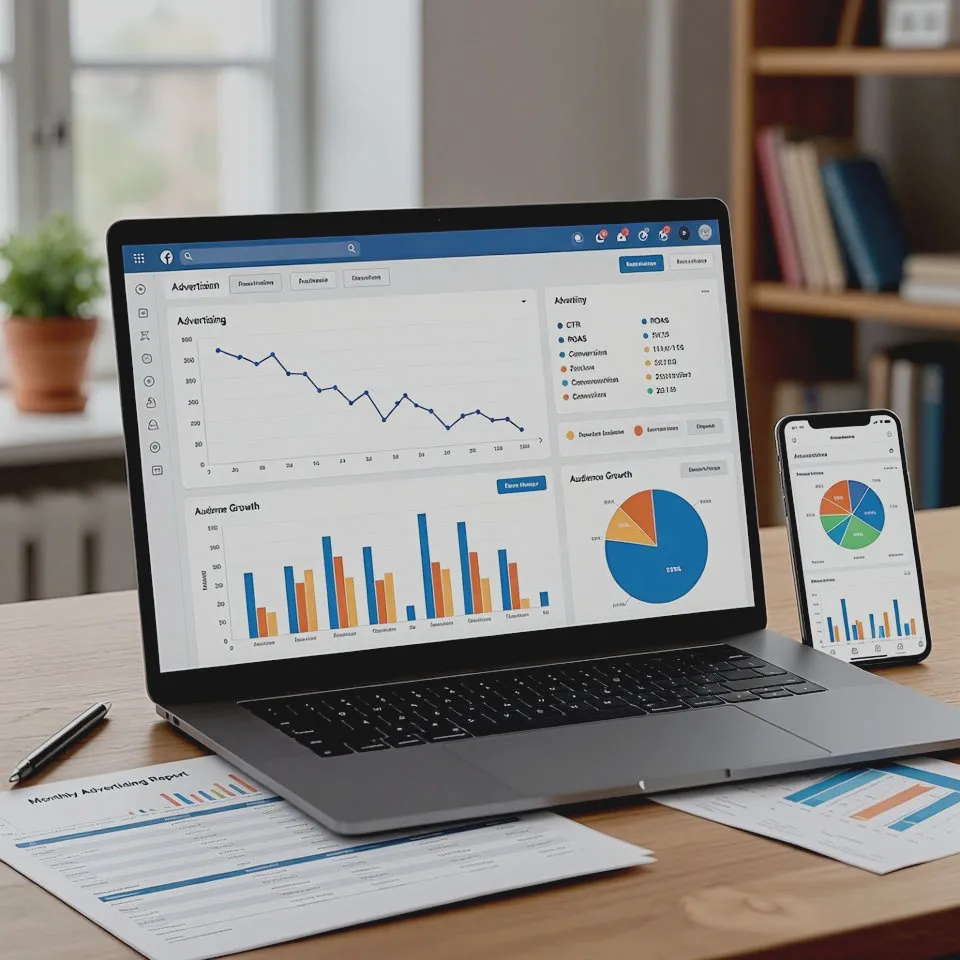
It’s not about being some kind of technical wizard – it’s about fixing the basic economics of how your marketing strategy works. When you get server-side tracking right, the optimisation algorithm gets a clear, reliable picture of what’s going on. That makes a huge difference to how well you can report on purchases, cut down on wasted ads and make informed decisions about scaling your marketing efforts.
When your tracking is working as it should, every time you spend money, you get a better return on it.
The Framework Used In High-Spend Accounts
Below is how Karma Media approaches high-end account management – they get their data sorted before they even think about scaling.
Establish Clear Event Priorities
If you’re sending too many events, it’s like noise in the background – it can throw the whole system off. So, you need to cut down on non-essential events and focus on what really matters to your business. Core actions like people looking at products, clicking add to basket, starting to check out, and actually making a purchase are the key things that need to be ironed out and verified. Core actions like people looking at products, clicking add to basket, starting to check out, and actually making a purchase are the key things that need to be ironed out and verified. These events then become the foundation of your optimisation model.
Align Browser and Server Signals
Privacy settings can mess up browser data, and server signals can help fill the gap. Matching up user details like hashed contact info to system metadata makes your data a lot more reliable – and that’s got big-time benefits for your reporting and ad attribution.
Validate Data Stability Before Scaling
One of the biggest mistakes you can make is to scale up before you’ve got a handle on your data. First, you need to see that your data’s stable – event match scores are consistent, purchase attribution is accurate, and you can cross-check all your ad metrics only when you’re sure that your data’s reliable, should you start throwing more money at the problem.
Implementation Options
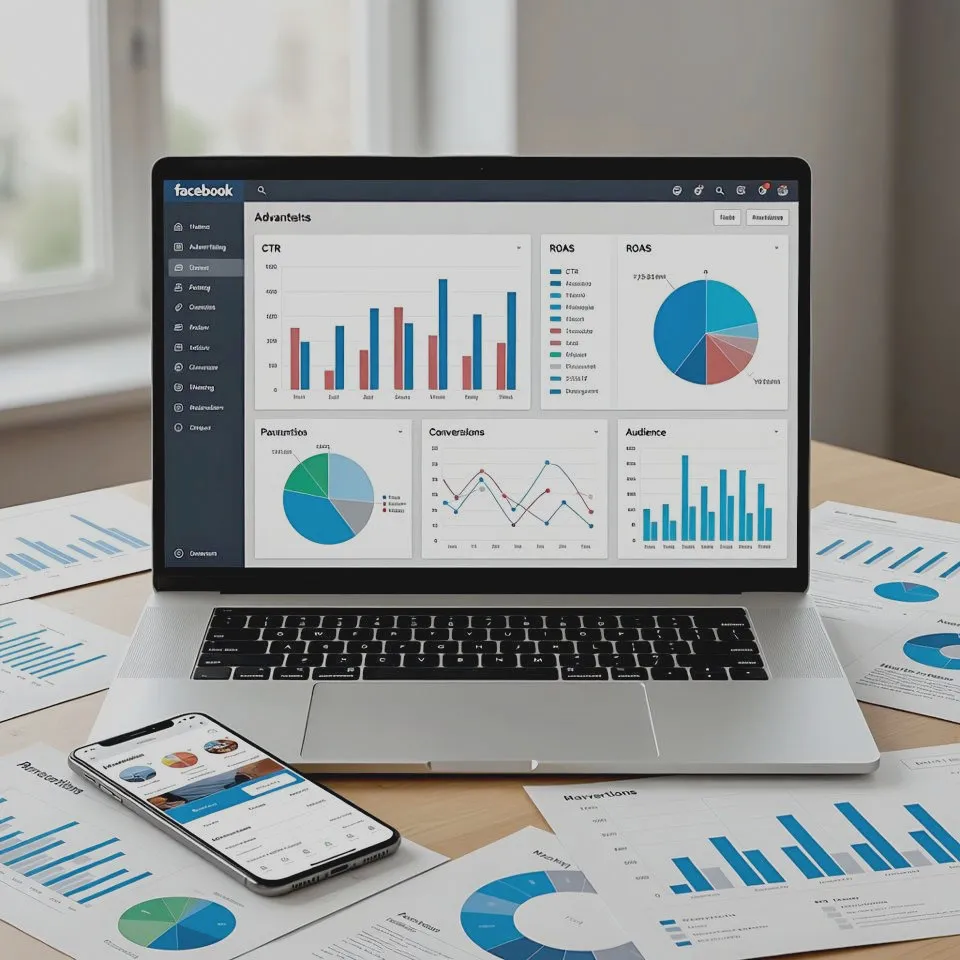
The setup path you take will depend on a few key factors: your platform, your growth stage and requirements, and your internal technical capabilities.
Native Platform Solutions
If you’re running a Shopify store or something similar, you’ll be happy to know that setting up tracking is pretty painless, and you might want to consider a custom server-side setup with minimal developer intervention. This is a great option for stores that need to get set up fast and don’t have a big IT department to worry about. While it’s not always the most sophisticated option, it still gets the job done and provides pretty reliable event tracking for most merchants as they grow.
Specialist Partner Tools
Then there are specialist tools like Elevar or Stape – these guys offer a bit more advanced configuration options and usually come with a support team to help you out if you get stuck. This makes them a great option for brands that have got a bit more complex – perhaps they have a really intricate funnel structure or are spending a lot more on ads. These tools can give you a bit more control and help you spot any issues that might be affecting your performance.
Custom Server Infrastructure
If you’re one of the bigger players or getting ready to scale up big time, you might want to consider a custom server-side setup with GTM. This gives you total control over the event logic, so you can do all sorts of fancy things, like filtering, transforming, and exporting your event data in whatever format you need. Policies change, and your systems get updated, but without regular check-ins, you end up optimising based on incomplete or even incorrect data for deeper analysis. We recommend this option for brands that are serious about taking it to the next level and need more advanced tracking.
Regardless of which route you take, we’ll make sure your events are validated, deduplicated and passed to all the ad platforms you need. That’s the same high standard we apply when working with businesses like the ones we work with as a Google Ads agency in Canberra.
How Improved Tracking Strengthens Funnel Performance
A solid tracking system doesn’t just make your final purchase event more accurate; it improves performance across your entire funnel.
Top of Funnel
When you get your tracking right, you start to see clear signals, and your audience gets a lot smarter. Cold traffic starts working better, relevance goes up, and you waste fewer impressions. This is a big deal, especially if you’re operating in a smaller market where every dollar counts.
Middle of Funnel
When you’ve got accurate tracking in place, your retargeting logic gets a lot stronger. You start to see these products people are looking at, or the fact that they’re leaving items in their cart, and you can use that to make your retargeting pools way more accurate and less disrupted by all the changes in the online world.
Bottom of Funnel
At the end of the day, purchase events carry the most weight in optimisation. When these events are solid and verified, your algorithms start to learn a lot faster and scale a lot more confidently – and that’s when you start to see more stable ROAS and predictable contribution margins.
Table: Performance Shifts After Implementing Server-Side Data Flows

| Metric | Before Implementation | After Implementation |
| Purchase Reporting | Inconsistent | Verified and stable |
| CAC Patterns | Volatile | Predictable ranges |
| Retargeting Audience Depth | Declining | Recovered and growing |
| ROAS Trends | Irregular | Strong and consistent |
| Scaling Safety | Risky | Much safer to expand |
This improvement mirrors the shifts we diagnose in both Meta accounts and search accounts when acting as a Google Ads agency. Canberra companies consult for a broader acquisition strategy.
Frequent Errors We Find During Audits
Founders are often oblivious to how much of a mess their tracking can be, and how that mess is causing them to waste money. After countless audits, we’ve identified the top errors that are always popping up:
Not Monitoring Event Health
Events go down, policies change, and your systems get updated, but without regular check-ins, you end up optimising based on incomplete or even will still signals.
Overcomplicating Event Architecture
You’re piling on too many event types or adding extra parameters that just make things more confusing and slow down the learning process.
Increasing Spend Before Fixing Measurement
And of course, anyone who thinks they can just throw more money at the problem and hope for the best is living in a dream world – especially when you’ve got hundreds of thousands of dollars on the line.
Ignoring Profitability Indicators
Even if you’ve got perfect tracking, that won’t save you if you’re losing money hand over fist. To get a true picture of how you’re doing, you need to actually map your event signals to LTV, and refund behaviour.
At Karma Media, all this still applies – whether you’re working with Facebook, Google, or some other digital marketing platform.
Why Reliable Tracking Supports Long-Term Growth
We’ve seen it time and time again: Canberra’s advantages – smaller geography, high income, strong digital habits – don’t mean a thing if your tracking isn’t 100% reliable.
With our CAPI system:
Efficiency jumps
Scaling becomes a whole lot safer
Attribution gets a whole lot clearer
CAC stabilises
That’s why Canberra stores that work with Karma Media suddenly find themselves having those predictable four- or five-figure days instead of being stuck with wild, unpredictable performance.
Strategic Close

If you want to turn your campaigns into scalable engines that actually deliver results, then getting your measurement right needs to be your top priority. Setting up CAPI is not some tech-heavy exercise – it’s a commercial reset.
At Karma Media, we see tracking as the foundation for every system we build, whether we’re optimising Facebook ads, building funnels, or serving as the go-to Google Ads agency for Canberra founders who just need someone to get their performance sorted.
Once you’ve got your data cleaned up, scaling becomes a deliberate, profitable and predictable thing.
FAQ
Will setting up server-side tracking automatically increase my ROAS?
No, not automatically – but it will give you the right signals to make that happen by getting rid of the bad data that’s been holding you back.
How long does the setup take?
If you’re just using a standard setup, it can take as little as 30 minutes – but if you’ve got something more complicated going on, it’ll take a bit longer.
Will this fix all the reporting discrepancies between platforms?
It’ll definitely help reduce the number of reporting discrepancies. much safer and be some differences in attribution models, privacy settings, and reporting windows that you’ll need to deal with.
Can I scale up without sorting out my tracking first?
You can scale, but the risk of wasting a load of money is going to go through the roof. Clean data makes scaling much safer and as privacy rules more financially stable.
Do I still need to set this up if the Pixel is already installed?
Yeah, you still do. Pixel is already installed? Browser tracking is getting worse as privacy rules change, and server-side tracking is the way to restore some reliability to your signals.